Blog

  • Richie Sambora: The Fall of a Rock Legend—Why the World Turned Its Back on Bon Jovi’s Guitar Hero

    Richie Sambora: The Fall of a Rock Legend—Why the World Turned Its Back on Bon Jovi’s Guitar Hero

    Richie Sambora: The Mysterious Fall from Rock Royalty—What Really Happened to Bon Jovi’s Guitar Hero?

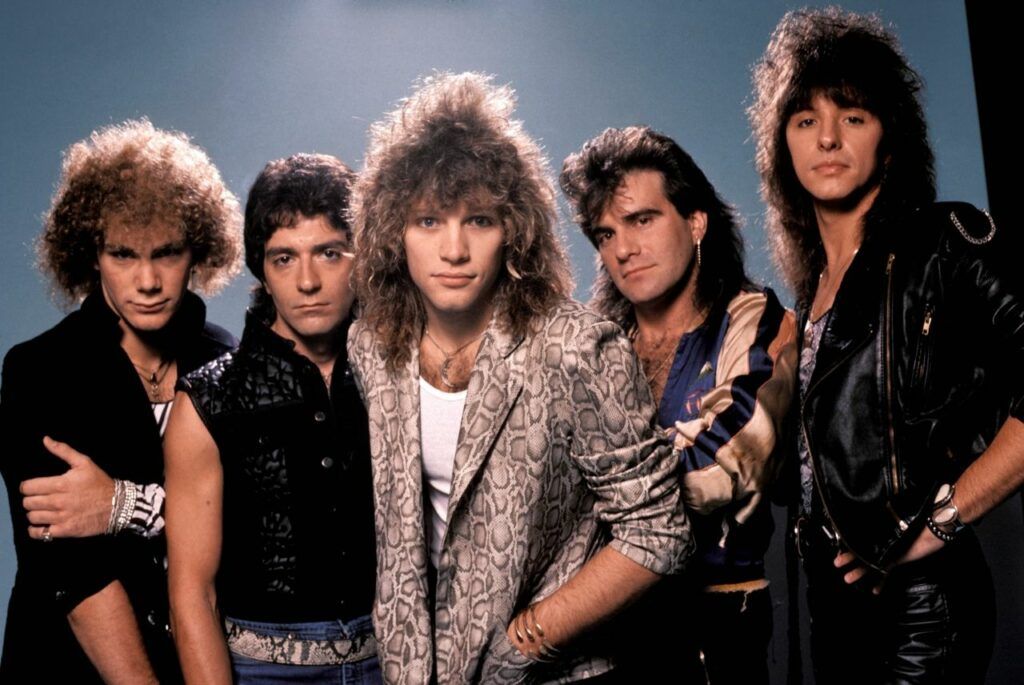
    Richie Sambora was once the golden boy of American rock. His guitar riffs and harmonies with Jon Bon Jovi helped shape anthems that defined a generation. Stadiums roared his name, fans hung on every note, and his partnership with Jon was legendary. But in 2013, Sambora did the unthinkable. He vanished—not just from Bon Jovi, but from the entire music scene. The world wants to know: what drove this rock icon into the shadows, and why has the music industry turned its back on him?

    The story begins in the blue-collar bars of New Jersey, where Sambora and Bon Jovi first joined forces. Their chemistry was undeniable. Together, they wrote and performed hits like “Livin’ on a Prayer,” “Wanted Dead or Alive,” and “I’ll Be There for You.” For decades, Bon Jovi weathered every storm the music industry could throw at them. Grunge, hip-hop, boy bands—none could knock them off their pedestal. Behind the scenes, however, Sambora’s personal struggles were mounting.

    By the early 2000s, those closest to the band began to notice changes in Sambora. His battles with addiction, which he had fought for years, were resurfacing. He started missing rehearsals, showing up late for interviews, and clashing with producers. The creative partnership that once powered Bon Jovi began to fray. Jon Bon Jovi, known for his discipline and professionalism, was left to pick up the pieces as Sambora’s reliability declined. One longtime roadie remembers, “Jon was always there, always ready. With Richie, you just didn’t know anymore.”

    Everything changed on April 2, 2013. Hours before a sold-out show in Calgary, Sambora disappeared. The official statement cited “personal issues,” but the reality was far more complicated. There was no warning, no heartfelt goodbye, just a sudden absence. The band scrambled to find a replacement. Fans were stunned—how could Sambora, the very soul of Bon Jovi, simply walk away?

    Theories and rumors spread like wildfire. Some said Sambora was fired. Others whispered about a relapse. Sambora himself later claimed he left to focus on his daughter, Ava. But if family was the reason, why did he leave so abruptly, right in the middle of a world tour? Why didn’t he communicate with the band or the fans who adored him?

    In the months that followed, the music industry’s reaction was swift and merciless. Producers who once begged for Sambora’s signature sound stopped calling. Fellow rock legends who had jammed with him in the past began to distance themselves. Even his much-hyped solo project with Australian guitarist Orianthi fizzled out, despite their personal and professional connection. The message was clear: Sambora was now seen as a liability.

    The reason for this blacklisting was simple. In an industry built on trust and timing, Sambora’s unreliability became infamous. Stories of missed gigs, last-minute cancellations, and erratic behavior circulated in industry circles. One top producer revealed, “Richie’s talent was never in question. But you couldn’t risk a project on him anymore.”
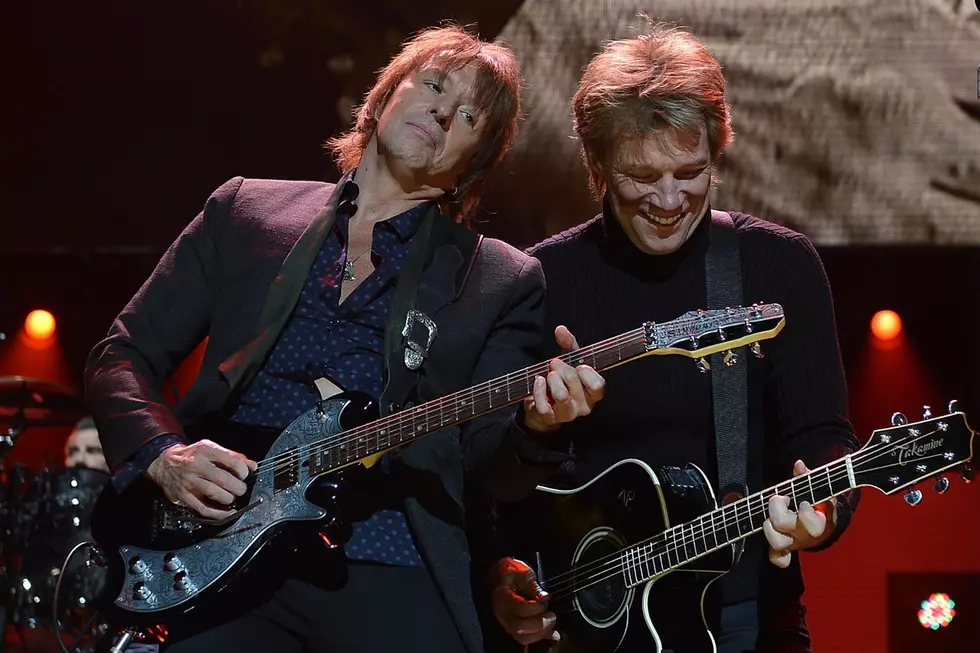
    For years, Jon Bon Jovi stayed silent about the split. But in a rare interview, when asked about Sambora, Jon’s response was blunt and devastating: “He’s terrible.” Those two words spoke volumes about years of frustration, disappointment, and the pain of being left to carry the band’s legacy alone. Even at the band’s 2018 Rock and Roll Hall of Fame induction, the reunion was awkward and cold. The chemistry that once lit up stadiums was gone, replaced by regret and unfinished business.

    The drama reached a new level with the release of Hulu’s “Thank You, Goodnight: The Bon Jovi Story.” The documentary promised to reveal the real reason behind Sambora’s exit. Instead, it delivered even more questions. Sambora appeared in the film but stormed out of a private screening, furious at his portrayal. Social media erupted with speculation. Was he still battling his demons? Was he a tragic victim of fame, or the architect of his own downfall?

    The documentary’s footage showed a man haunted by regret, unable to break free from the cycle of self-destruction. Fans were divided. Some saw Sambora as a tragic figure, undone by the pressures of fame and addiction. Others saw a man unwilling to take responsibility for his actions, blaming everyone but himself.

    Perhaps the most shocking part of Sambora’s story is the silence that now surrounds him. There are no high-profile collaborations, no festival reunions, no surprise guest spots. Sambora, once a fixture in rock’s inner circle, is now a ghost. His brilliance is undeniable, his legacy secure in the songs that still fill arenas. But in the music business, talent without reliability is a dead end. The industry has moved on, and Sambora’s exile is nearly complete.

    The tragedy isn’t just that Richie Sambora left Bon Jovi. It’s that he never really tried to come back. His story is a warning to every musician: talent opens doors, but consistency keeps them open. As Jon Bon Jovi carries the band’s legacy into a new era, fans are left to wonder if Sambora will ever find redemption, or if his silence is permanent.

    For now, the answer is lost in the echo of what might have been—a cautionary tale of rock and roll, a legend’s fall from grace, and a haunting question: how could someone so vital become so utterly alone? The world may never know the full truth behind Richie Sambora’s disappearance, but one thing is certain—his absence is the loudest note he ever played.


  • Richie Sambora’s Vanishing Act: The Shocking Truth Behind Bon Jovi’s Silent Split and Why Rock’s Biggest Names Refuse to Work With Him

    Richie Sambora’s Vanishing Act: The Shocking Truth Behind Bon Jovi’s Silent Split and Why Rock’s Biggest Names Refuse to Work With Him

    Richie Sambora’s Vanishing Act: The Shocking Truth Behind Bon Jovi’s Silent Split and Why Rock’s Biggest Names Refuse to Work With Him

    He walked away mid-tour and the silence that followed was louder than any Bon Jovi chorus. For Richie Sambora, once half of one of rock’s most powerful duos, that decision marked not just the end of an era but the beginning of an exile. What shocked fans more than his departure was what came next: nothing. No triumphant solo career, no superstar collaborations, and a telling lack of support from the rock community.

    Now Jon Bon Jovi is breaking the code of silence, and what he’s revealing paints a picture of a man so unreliable even old friends wouldn’t return his calls. From brothers to strangers, the transformation was as sudden as it was complete. Before things soured, Jon Bon Jovi and Richie Sambora were a near-perfect pairing, crafting hits that defined a generation—“Livin’ on a Prayer,” “Wanted Dead or Alive,” “I’ll Be There for You.”

    Sambora brought the soulful guitar solos and harmonies that became Bon Jovi’s sonic signature, while Jon was the charismatic frontman with relentless vision. Their collaboration was more than musical; it was strategic. Jon Bon Jovi, always focused on legacy and brand, found in Sambora a co-pilot who could deliver emotionally charged performances while deferring to the band’s larger machine. Throughout the 1980s and into the early 2000s, the partnership held firm. Jon drove the ship; Richie added the soul.

    This duality helped the band survive industry shifts that took down many peers. Together, they seemed unstoppable. No one could imagine the band if one of them walked away. During the grunge era, when arena rock was suddenly outdated, Bon Jovi didn’t collapse—they evolved. Sambora’s willingness to experiment with new tones and Jon’s sharp instinct for mainstream appeal kept them chart-relevant. Albums like “Keep the Faith” and “Crush” modernized their sound without losing their core fan base.

    While their stylistic differences sometimes caused tension, they shared a common goal: commercial survival. It was a formula they’d perfected. But by the mid-2000s, cracks began to show. Sources close to the band reported that Sambora’s growing personal struggles began affecting his reliability. His well-documented battles with addiction and time in rehab were no secret, but the band held its silence publicly. Jon, however, was increasingly left to shoulder the leadership burden alone.

    According to insiders, tour rehearsals and press obligations frequently became one-man efforts as Sambora became less consistent. The creative relationship also began to deteriorate. While Jon leaned into polished, socially conscious songwriting in later albums, Sambora was more inclined toward raw, blues-based material. The divide became noticeable in studio sessions where Sambora reportedly clashed with producers Jon brought in to streamline the process.

    What once was a balanced push-pull dynamic shifted into conflict over control. The two men wanted different things, and soon the only logical solution was to part ways: Jon to continue with Bon Jovi, Sambora to pursue a solo career. The brotherhood that was once the band’s emotional core turned transactional. They still performed together, but the camaraderie was fading. Communication became minimal, decisions were top-down, and trust began to erode.

    According to a former band tech, you could see it backstage—Jon was focused and sharp, Richie seemed distant, half there. Soon even the bare minimum became hard to maintain. The sudden exit heard around the world came on April 2, 2013. Richie Sambora abruptly exited Bon Jovi’s “Because We Can” world tour just hours before a scheduled show in Calgary. The official statement cited “personal issues,” but the internal fallout was immediate and disruptive.

    No one in the band saw it coming, no prior warning, no plan for replacement. One moment Sambora was in the lineup, the next he was gone, leaving one of the biggest rock tours of the year scrambling to stay on the rails. Fans were confused. The show in Calgary went ahead without a word from the stage. Within 24 hours, guitarist Phil X had been brought in to fill the void. It was announced as a temporary solution, leading many to believe Sambora would return in a matter of days. But he didn’t. Days became weeks, then months. Eventually it became clear that Richie wasn’t coming back, and no one from the band was willing to explain why.

    Behind the scenes, Jon Bon Jovi was dealing with damage control. Promoters were demanding answers, venues and sponsors were left in a state of uncertainty. Jon had to personally step in to stabilize the situation, making statements, attending press events, and carrying the band’s public presence alone. He avoided directly criticizing Sambora, but his tone made it clear this wasn’t part of the plan. Internally, bandmates like David Bryan and Tico Torres stayed silent, following Jon’s lead. Multiple sources close to the tour confirmed that Sambora’s decision came as a shock even to those closest to him.

    There was no formal discussion, no effort to reschedule or renegotiate dates. One veteran tour manager who had worked with the band across multiple decades said, “Richie didn’t just leave the tour—he left everyone hanging.” As media outlets began digging, Sambora finally gave an explanation: he needed to prioritize his daughter Ava. He spoke of wanting to be a full-time father and criticized the grind of the touring lifestyle.

    The narrative was personal, even sympathetic, but the timing raised questions. If his departure was about family, why hadn’t he stepped back before the tour started? And if it was urgent, why no direct communication with the band? The way he’d gone about it either spoke of a man at breaking point or someone extremely unreliable. It’s this combination that Jon Bon Jovi has since hinted at when it comes to why rockers have refused to work with Richie Sambora.

    Despite his legendary status, Sambora was musically sidelined. Why didn’t other rockers step up to work with Sambora during his solo years? In the music industry, one strike against your reputation can be all it takes to turn people away. In the months and years that followed Sambora’s exit, something became unmistakably clear: the rock world distanced itself. While fans waited for high-profile collaborations or a solo comeback worthy of his past, the industry remained silent.

    There were no festival guest spots, no surprise reunions, no collaborations with contemporary or classic artists. Despite his status as one of rock’s most influential guitarists, Sambora had essentially vanished from the collaborative music scene. His joint venture with Australian guitarist Orianthi—a project dubbed RSO—was billed as a return to form, but the project never gained traction. Orianthi and Sambora entered into a relationship just a year after he walked away from Bon Jovi, leaving many to question whether their collaboration had a more personal meaning than a professional one.

    The album release was delayed, promotion was inconsistent, and even loyal Bon Jovi fans struggled to connect with the material. It was a lukewarm reintroduction from a man once known for electrifying anthems and arena-sized solos. Industry veterans took note, and the momentum quickly died. Given that Sambora had been keen to go in a different direction from Jon Bon Jovi musically, fans and insiders were shocked there was no striking while the iron was hot.

    More importantly, the rockers that had once admired Sambora weren’t offering their support either. Behind closed doors, the reluctance to work with Sambora seemed less about music and more about reputation. One high-profile producer who had previously worked on Bon Jovi records in the early 2000s revealed the unspoken consensus: everyone respected Richie’s talent, but he became unreliable. You just didn’t know if he’d show up.

    That unreliability extended beyond the stage. There were murmurs of last-minute cancellations, no-shows to writing sessions, and erratic behavior during production. Sambora may have been talented, but he was a risk no one was willing to take. Sambora’s battle with alcohol had been well documented over the years, with him choosing to enter rehab on several occasions. His sudden departure from Bon Jovi and his reasoning behind it didn’t sit well with many in the industry. Though no one blamed him for wanting to spend time with his daughter, you didn’t just abandon a tour partway through for that reason.

    Many began to wonder what the real reason was, and this unknown element caused those who had once admired him to back away. In an industry where consistency is currency, Sambora’s unpredictability became a liability. The risk of aligning with someone who might disappear mid-project was too high for many artists. Word spread quietly, and the phone stopped ringing. Even friends in the rock circuit hesitated to involve him in new ventures.

    Jon Bon Jovi for years refused to publicly speak about the rift. His silence was calculated, in line with his tightly managed image. But in a rare 2020 interview, when asked whether he still spoke to Richie, Jon’s response broke that silence: “He’s terrible.” Two words—sharp, unfiltered. It wasn’t just about personal disappointment; it hinted at years of frustration over Sambora’s absence, his choices, and the burden Jon had carried alone since the split.

    By this point, the two men had had minimal contact for seven years, only reuniting for the Rock and Roll Hall of Fame induction. For 30 years, Jon Bon Jovi had watched his bandmate stand by his side, but he ultimately succumbed to his own demons of addiction and unreliability. He was at breaking point, and it was clear even he wasn’t willing to work with Sambora anymore. Within the rock community, that off-hand comment wasn’t dismissed.

    If anything, it confirmed what others had been thinking but wouldn’t say: Sambora wasn’t just missing from the spotlight, he had been pushed to the sidelines by a community that once celebrated him. The silence of his peers became an unspoken indictment. The tragedy isn’t just that Richie Sambora left Bon Jovi—it’s that he never made a meaningful effort to return.

    He potentially used his daughter as an excuse for his own unreliability, and over time, as fewer artists reached out, his presence faded further into memory. His brilliance remains undisputed, but brilliance without consistency doesn’t last. When rockers refused to work with Richie Sambora, it wasn’t about bad blood—it was about lessons learned, and no one wanted to get burned by him the way Jon Bon Jovi had.

  • Inside Jon Bon Jovi’s Wild “Disgraceland” Pool Party: Secret Romances, Hollywood Confessions, and the MTV Moment That Changed Everything

    Inside Jon Bon Jovi’s Wild “Disgraceland” Pool Party: Secret Romances, Hollywood Confessions, and the MTV Moment That Changed Everything

    Inside Jon Bon Jovi’s Wild “Disgraceland” Pool Party: Secret Romances, Hollywood Confessions, and the MTV Moment That Changed Everything

    On a sun-drenched afternoon in Los Angeles, a handful of lucky insiders found themselves poolside at Jon Bon Jovi’s infamous rented mansion, a place he cheekily dubbed “Disgraceland.” The occasion? The world premiere of his new video, “Blaze of Glory,” from the blockbuster film Young Guns II. But what began as a simple day of music and celebration quickly spiraled into a dizzying spectacle of confessions, flirtations, and jaw-dropping revelations that would leave even the most seasoned Hollywood observers breathless. It was here, among the palm trees and the shimmering water, that Jon Bon Jovi—rock icon, heartthrob, and reluctant movie star—let down his guard and revealed more than anyone expected.

    The day started innocently enough, with Jon bantering about the origins of his hit song. “I wrote this song, you broke my heart, I’m sitting up on a beat, screaming, crying, complaining. Now you’re on national TV, come to my house, you break my heart again,” he joked, sending the crowd into fits of laughter. But beneath the humor was a sharp edge, a glimpse into the real Jon—vulnerable, wounded, and unafraid to turn his pain into platinum records.

    As the cameras rolled, Jon’s guests needled him about his love life, his marriage, and his reputation as rock’s most eligible bachelor. “You got married, you married someone else,” a guest teased. “I wasn’t there!” Jon shot back, before riffing about the technicalities of marriage in America: “You’re only married within the state lines—there’s 49 other states, we can have 49 other relationships!” The line blurred between joke and confession, and the partygoers leaned in, hungry for more.

    As the afternoon wore on, the atmosphere grew increasingly chaotic and charged. Jon, ever the showman, played along, flirting, squirming, and deflecting with a sly grin. “Why are you squirming in this?” a guest asked. “Well, I’m just so excited—it’s just slippery out here!” he replied, as laughter and innuendo rippled through the crowd.

    The banter turned bawdy, with jokes about big feet, big shoes, and what they say about men who have them. “I hope they care about men,” Jon quipped, never missing a beat. But beneath the teasing, there was a real sense of camaraderie, a rare glimpse of a superstar at ease among friends, unfiltered and unguarded.

    The conversation turned to the making of Young Guns II, the film that inspired “Blaze of Glory.” Jon, who had a cameo in the movie, downplayed his acting chops. “I was such a pain in the neck out there in the desert, they said, ‘Come here, we want to kill you.’ I don’t think I’ll be able to watch it—I’m going to have to leave the scene.” The self-deprecation only made him more endearing, and the crowd pressed for more. Did he really have a voodoo doll made of a certain ex? Did he pray to the “love gods” for forgiveness? The stories grew wilder, the laughter louder, as Jon’s guests egged him on.

    But it wasn’t all fun and games. There were moments of real vulnerability, too—moments when Jon opened up about heartbreak, regret, and the pressures of fame. “I was sitting out there praying to the love gods for you to forgive me, Julie,” he admitted, his voice tinged with genuine longing. For a brief moment, the rock star facade slipped, revealing the man beneath—the one who still believed in love, even after all the heartbreak and betrayal.

    As the sun dipped lower, the party moved inside for a tour of “Disgraceland.” The group wandered through the Jungle Room, marveling at the kitsch and excess that defined the mansion. “Can I sing? Excuse me, but I have like several albums—nothing, he cares about my career at all!” one guest joked, poking fun at the constant competition for attention in Jon’s orbit.

    The tour grew more surreal with each passing minute—hot coals to walk across, spring-loaded beds to jump on, and endless references to Elvis, Ann-Margret, and other icons of American pop culture. “There’s Jon’s jacuzzi, there’s my earring at the bottom—I’ll get it later,” someone laughed, as the party descended into gleeful chaos.

    At one point, Jon was dared to walk across hot coals, Karate Kid-style, to impress a guest. “I’ve done Young Guns II, and now Karate Kid Part 4,” he joked, embracing the absurdity of it all. The cameras captured every moment, every joke, every flirtatious glance—turning a simple pool party into a viral MTV sensation. The sexual tension was palpable, the banter outrageous.

    “Do you dance in this new video?” a guest asked. “No—tired. I mean, like, who cares?” Jon replied, feigning modesty as the crowd egged him on. “Leather on his head—oh, I’ve heard this video is unbelievable. It’s sexual, isn’t it?” The line between reality and performance blurred, and the audience was left wondering how much was real and how much was just for show.

    As the evening wore on, the party moved to Jon’s bedroom—rented, like everything else in Disgraceland. “Here we are in Jon’s bedroom, I’m bouncing on the bed—she’s a kinky young fan,” someone teased, as the laughter reached a fever pitch. “We want to be alone, so why don’t you go watch another Jersey band and test out the spring?”

    The jokes grew more risqué, the confessions more outrageous. “My mind feels rented right now,” Jon confessed, as the party began to wind down. But even as the guests prepared to leave, there was a sense that something extraordinary had happened—a glimpse behind the curtain, a fleeting moment of honesty and connection in a world obsessed with image and illusion.

    In the end, Jon Bon Jovi’s Disgraceland party was more than just a video premiere—it was a microcosm of fame, love, and the endless search for meaning in a world that never stops watching. It was a day of laughter, heartbreak, and wild confessions—a day when the world’s most famous rock star let down his guard and reminded us all that, beneath the leather and the legend, he’s just a man trying to find his way. As the sun set over Disgraceland and the guests drifted off into the night, one thing was clear: in the world of Jon Bon Jovi, anything can happen—and everyone is invited to the party.

  • Family Ping Pong War Erupts Into Chaos: “The Champ Is Here!” Sparks Wild Rematch, Shocking Betrayals, and Viral Pink Juice Ritual—Inside the Secret Rivalry Tearing a Household Apart!

    Family Ping Pong War Erupts Into Chaos: “The Champ Is Here!” Sparks Wild Rematch, Shocking Betrayals, and Viral Pink Juice Ritual—Inside the Secret Rivalry Tearing a Household Apart!

    Family Ping Pong War Erupts Into Chaos: “The Champ Is Here!” Sparks Wild Rematch, Shocking Betrayals, and Viral Pink Juice Ritual—Inside the Secret Rivalry Tearing a Household Apart! Internet Obsessed as Shocking Confessions, Flashbacks, and Outrageous Taunts Turn Ordinary Game Night Into the Most Talked-About Showdown of the Year!

    In a world desperate for heroes, drama, and unexpected twists, one family has become the epicenter of an all-out war that’s taken the internet by storm. Forget about heavyweight boxing, forget about UFC showdowns—this is the rematch of the century, and it’s happening in a living room, not a stadium. The stakes? Pride, legacy, and, apparently, a splash of pink juice. The players? A self-proclaimed champ, a young contender hungry for glory, and a cast of relatives ready to fan the flames of competition. What started as a simple game of ping pong has exploded into a saga of betrayal, outrageous taunts, and jaw-dropping revelations that have left viewers around the world stunned, laughing, and asking: what on earth is happening in this family, and why can’t we look away?

    The story opens with the unmistakable sound of applause and the ominous declaration: “The champ is here!” He says it once, twice, a dozen times, as if sheer repetition might make it true. But the young contender, tired of living in the shadow of the so-called champ, is ready to step into the ring—well, the basement—and rewrite the family record books. “Let’s get it on,” someone shouts, and suddenly, it’s game time. Flashbacks roll in, reminding everyone of past victories and defeats, each one fueling the current grudge match. The tension is as thick as the pink juice being poured on the sidelines, a mysterious beverage that’s become a symbol of both celebration and humiliation.

    The first rally is a blur of paddles and flying balls, cheers and jeers echoing off the walls. The champ is relentless, his confidence bordering on arrogance. But the contender is nimble, unpredictable, and clearly out for blood. The room erupts as points are scored, and spectators—parents, siblings, maybe even a neighbor or two—pick sides, shouting encouragement and insults in equal measure. The air is electric. Suddenly, a wild shot sends the ball careening across the room, and the champ snatches victory from the jaws of defeat. “The champ is here!” he bellows again, but this time, the words sound less like a boast and more like a warning.

    Twelve seconds later, the mood shifts. “You are adopted, Jess. I want you to suffer,” someone declares with mock villainy, and the crowd howls with laughter. This isn’t just a game; it’s a family tradition, a ritual of playful cruelty and unconditional love. Every point is a chance to settle old scores, every serve a reminder of past slights. The pink juice flows freely, toasts are made, and the line between winner and loser blurs into a haze of inside jokes and shared memories. But just as the tension seems to break, the champ strikes again, determined to cement his legacy and keep the challenger at bay.

    Flashbacks hit once more, this time to a year ago, when a certain Tom Brady made a surprise appearance—at least in spirit. “Tommy, there you go,” someone says, as if invoking the football legend might tip the scales. “Crash under pressure, TV Tommy!” The references pile up, a dizzying blend of sports icons, family lore, and pure nonsense that somehow makes perfect sense in this madhouse of a household. The crowd is all in, their cheers and groans growing louder with every point. The champ is here, the contender is rising, and nobody knows how this will end.

    Then, just as suddenly as it began, the game is over. “We’re folding it. We’re out of business,” someone announces with mock gravity, and the room dissolves into laughter. The rivalry is put on pause, but the legend only grows. The victor is showered with love—“I love you, bubby”—and the after-party begins. But even in celebration, the tension lingers. Did the right person win? Was there a missed call, a disputed point, a moment of weakness that will haunt the loser until the next rematch? The answers don’t matter. What matters is the ritual, the spectacle, the unbreakable bond formed by years of trash talk and friendly competition.

    The after-party is a scene unto itself. More pink juice, more laughter, more promises of revenge. Someone plugs the family’s favorite snack delivery app, urging viewers to order a Hampton Water ping pong set or a bottle of something special—because who knows, maybe you’ll be the next contender to face the champ. The family’s antics have become a viral sensation, their ping pong battles watched by millions who see in them a reflection of their own families: the rivalries, the love, the absurdity of it all.

    But beneath the surface, something deeper is at play. The constant refrain—“The champ is here!”—is more than just a boast. It’s a declaration of identity, a way of saying, “I belong. I matter. I will not be forgotten.” For the young challenger, every game is a chance to step out of the champ’s shadow and claim a piece of the spotlight. For the parents and siblings, every match is a reminder of the ties that bind, the memories that define them, the laughter that gets them through the hard times. In a world that feels increasingly divided, this family’s ping pong war is a beacon of togetherness, a testament to the power of play.

    As the night winds down and the paddles are put away, one thing is clear: the rematch of the century is far from over. The champ will return, the contender will rise again, and the cycle will continue, each game adding another layer to the family legend. Viewers can’t get enough—of the drama, the jokes, the sheer unpredictability of it all. In a time when so much feels scripted and fake, this is real, raw, and utterly captivating.

    Thumbnail quality

    So what’s next for the world’s most notorious family ping pong rivalry? Will the champ hold onto his title, or will the young contender finally seize the crown? Will the pink juice flow, or will a new drink take its place as the beverage of champions? One thing’s for sure: the internet will be watching, waiting, and cheering them on every step of the way. Because in the end, we’re all just looking for a little bit of that magic—a reason to laugh, to compete, to come together and declare, with all the confidence we can muster, “The champ is here!”

  • Rock Legend Jon Bon Jovi’s Secret Vegas Wedding and 35-Year Marriage Exposed!

    Rock Legend Jon Bon Jovi’s Secret Vegas Wedding and 35-Year Marriage Exposed!

    Rock Legend Jon Bon Jovi’s Secret Vegas Wedding and 35-Year Marriage Exposed! Inside the Wild Elopement, Shocking Confessions, and the Untold Truth About His High School Sweetheart—How Dorothea Hurley Survived Fame, Temptation, and Rock Stardom to Become the Real Power Behind the Bon Jovi Empire!

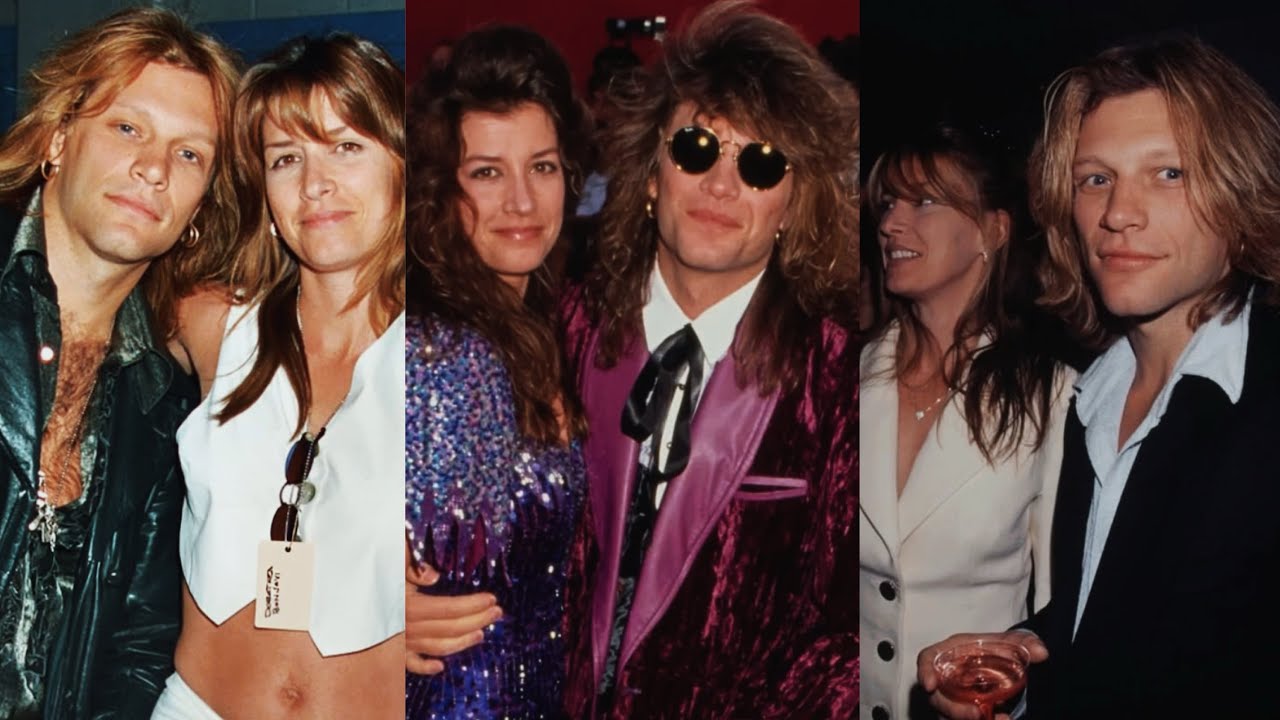
    In a world where rock stars are infamous for short-lived romances, wild affairs, and broken vows, Jon Bon Jovi stands as a living anomaly. The Bon Jovi frontman, who has sold over 100 million records, has been married to his high school sweetheart, Dorothea Hurley, for 35 years—a feat so rare in the music industry that it borders on the unbelievable. But behind the glitz, the screaming fans, and the endless temptations, lies a love story that is equal parts shocking, raw, brutally honest, and deeply inspiring.

    What really happened the night Jon and Dorothea eloped? How did they survive the chaos of fame, the constant attention from adoring women, and the relentless pressure that destroyed so many other relationships? The truth is more surprising than any tabloid rumor.

    It was the late 1980s, and Bon Jovi was living the ultimate rock and roll fantasy. The band had just played back-to-back sold-out shows at the Forum, with a number one single, a number one album, and a massive billboard of the band looming outside their hotel.

    Jon Bon Jovi could have done anything, gone anywhere, been with anyone. But instead of basking in the excess, he turned to Dorothea—his steady, no-nonsense girlfriend from Sayreville, New Jersey—and uttered the words that would change both of their lives forever: “Let’s go to Vegas.” She hesitated, but Jon insisted, “It’s now or never. I’m going to change my mind real quick.” And so, without telling anyone, without a ring, without even a plan, the two slipped away to Las Vegas, tied the knot, and made it back before the hotel bar closed.

    The next morning, Jon woke up and thought, “I did what?” The band didn’t find out until they saw it on Entertainment Tonight. There was no entourage, no family, no friends—just Jon and Dorothea, two kids from Jersey, making the most impulsive, romantic decision of their lives.

    But the real shock isn’t how they got married. It’s how they stayed married. For decades, Jon Bon Jovi has been surrounded by temptation: adoring fans, beautiful women, the constant lure of the rock star lifestyle. Even he jokes about being “on the list for J.Lo, but I’m number eight or nine, so I just wait my turn.”

    Yet, through it all, he’s remained fiercely loyal to Dorothea. “I think I got the girl thing right the first time, and you don’t mess with that,” he says. The secret? “I don’t like change. I don’t want to lose the wife. I don’t want to change my manager. I just don’t like change.” For Jon, stability is the ultimate luxury—a rare commodity in a world built on chaos.

    Dorothea isn’t just the woman behind the man. She’s the force that keeps him grounded, the black belt who can “fend off some of the groupies” and, as Jon jokes, “absolutely nothing wrong with a good spank.” She’s the one who sat next to him in high school history class, the girl who wrote him notes about his songs, the woman who saw past the fame and into the heart of the boy she grew up with. Their relationship is built on mutual adoration, growing together, and incredible support.

    “We came from the same hometown, sat next to each other in high school, so we knew each other’s values and belief system,” Jon explains. “Every step of the way, we grew together. Even if I veered far left, she was like, ‘Yeah, I know where that exit is on the highway. Come back over here.’” It’s a partnership forged in honesty, humor, and a deep understanding of each other’s flaws and strengths.

    Yet, their journey hasn’t been without its challenges. Jon admits to the wildness of the 80s and 90s, the inevitable temptations that came with global fame. “It would be a lie if you said you were a saint. It was the 80s, for God’s sake, the 90s, the 2000s, and I’m still that guy,” he confesses. But despite the rumors, the gossip, and the endless speculation, Jon insists he never jeopardized his relationship with Dorothea.

    “Did a girl ever throw herself at me? Yes. Did I ever consider anything that would jeopardize my relationship to my wife, who I’ve always been madly in love with? No.” The tabloids may try to paint a different story, but the reality is far more mundane—and far more extraordinary.

    Their marriage has weathered more than just the temptations of fame. There have been fights, doubts, and moments of uncertainty. Jon recalls a massive argument during a tour, feeling like an “oldies act” and questioning his place in the world. Instead of sulking, he channeled his feelings into music, sitting in the bathroom with his guitar and emerging with a new song for Dorothea. “The best way to get back into her heart was to write something,” he says. It’s this kind of vulnerability, this willingness to admit mistakes and make amends, that has kept their relationship alive for over four decades.

    The real shock, perhaps, is how ordinary their happiness is. For their 35th wedding anniversary, Jon bought Dorothea flowers and a book—one she had already read. There was no need for grand gestures or expensive gifts. “Every day there is just seriously deep gratitude,” he says.

    “Watching TV together, sitting on the couch, making a cup of tea—that’s it. She knows how grateful I am for every day.” In a world obsessed with spectacle, Jon and Dorothea have found joy in the simple, quiet moments that most people overlook.

    So what’s the secret to their success? Jon sums it up in one word: friendship. “We get on as friends. We enjoy hanging out. I wouldn’t rather be with anyone else. I’d rather go out with my wife because she’s more fun than about anyone else I know.” It’s a sentiment that’s as shocking as it is rare—a rock star who’d rather spend an evening with his wife than at a Hollywood party.

    There’s a lesson in Jon and Dorothea’s story that goes beyond celebrity gossip and tabloid headlines. It’s about the power of commitment, the importance of growing together, and the value of choosing the right partner the first time. It’s about weathering the storms, laughing through the chaos, and finding gratitude in the everyday. Most of all, it’s about holding on with both hands and never letting go.

    As Jon Bon Jovi looks back on 35 years of marriage—and 44 years together—he’s quick to admit that he got the better deal. “I wouldn’t trade her for four big movie stars. I’m the most blessed guy in the universe.” In an industry built on fleeting moments and broken promises, Jon and Dorothea’s love story is a reminder that sometimes, the most shocking thing of all is a love that lasts.

  • Boston Celtics Star Jason Tatum Rejects Historic $205 Million NIL Offer from Chicago Bulls: “My Loyalty Lies with the Celtics ”…..

    Boston Celtics Star Jason Tatum Rejects Historic $205 Million NIL Offer from Chicago Bulls: “My Loyalty Lies with the Celtics ”…..

    Boston Celtics Star Jason Tatum Rejects Historic $205 Million NIL Offer from Chicago Bulls: “My Loyalty Lies with the Celtics ”…..

    Jayson Tatum Rejects Historic $205 Million NIL Offer from Chicago Bulls: “My Loyalty Lies with the Celtics”

    March 21, 2025 – Boston, MA.

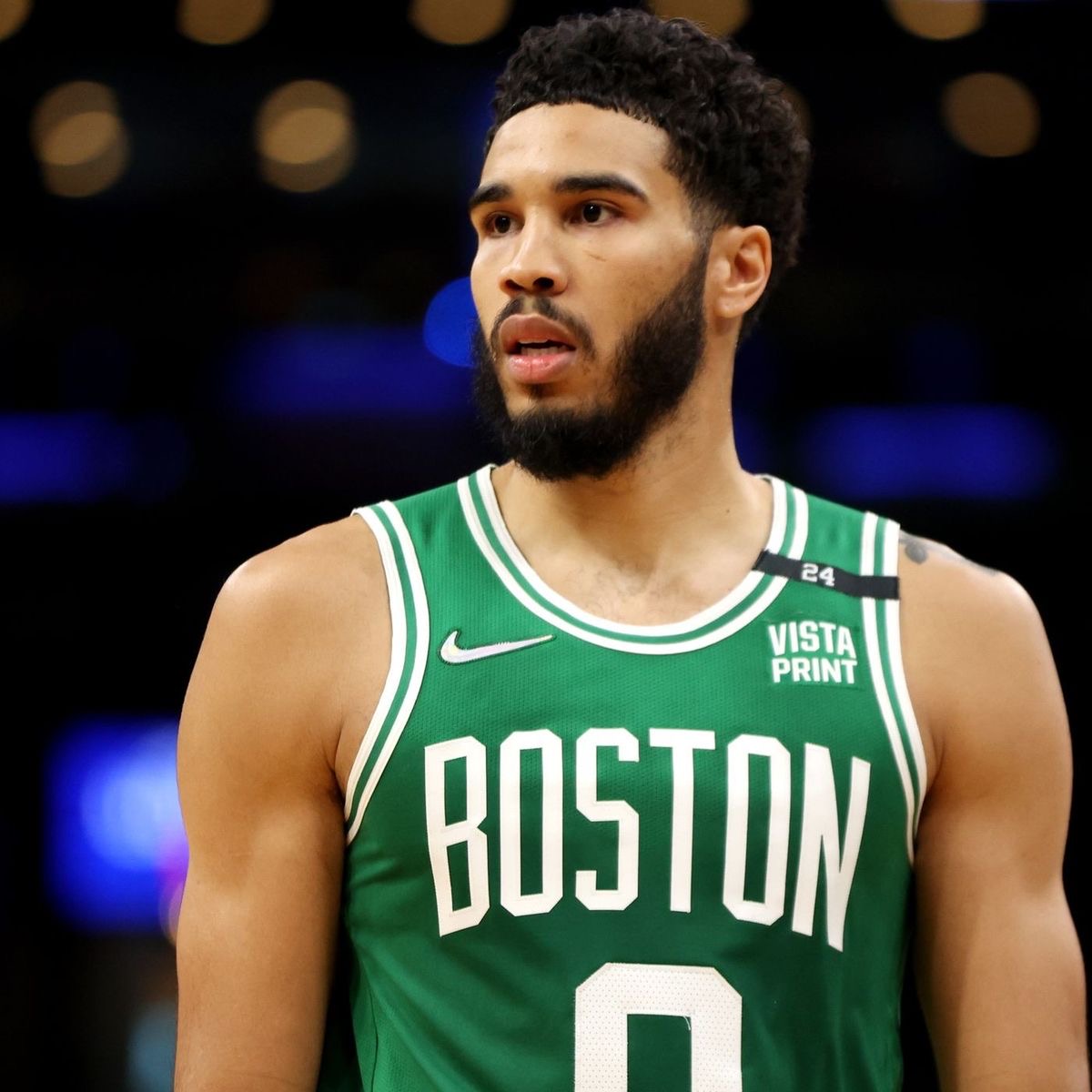
    The NBA world was shaken today as Boston Celtics Jayson Tatum officially rejected a record-breaking $205 million NIL (Name, Image, and Likeness) offer from the Chicago Bulls, choosing instead to reaffirm his unwavering commitment to the Celtics.

    The staggering offer, reportedly the largest NIL deal ever presented to an active NBA player, was designed to make Tatum the face of Chicago basketball and a key figure in the franchise’s resurgence. However, despite the eye-watering financial incentives and potential business opportunities, Tatum wasted no time in turning it down, making it clear that his heart remains in Boston.

    “Boston is home,” Tatum stated during a press conference. “The Celtics drafted me, they believed in me, and I want to bring more championships to this city. Money is great, but loyalty and legacy mean everything to me.”

    His decision not only cements his status as the cornerstone of the Celtics franchise but also sends a powerful message about loyalty in an era where player movement and financial incentives often dictate career decisions.

    Chicago Bulls’ Bold Attempt to Lure Tatum

    In an effort to rebuild their franchise into a championship contender, the Chicago Bulls’ ownership group, led by Jerry Reinsdorf, orchestrated an unprecedented NIL package to lure Tatum to Chicago.

    What the $205 Million NIL Deal Included:

    ✅ Endorsements with major Chicago-based corporations, including Nike, McDonald’s, and Gatorade

    ✅ A multi-year production deal with Netflix to create a docuseries on Tatum’s career

    ✅ Ownership stake in local businesses and real estate ventures

    ✅ A state-of-the-art “Jayson Tatum Center” training facility in Chicago

    ✅ Massive bonuses for community involvement and public appearances

    How NIL Deals Work for NBA Players

    Traditionally, NIL deals have been associated with college athletes, allowing them to profit from their name, image, and likeness without violating NCAA rules. However, in recent years, NIL partnerships have expanded into the professional sports world, offering NBA players an additional revenue stream outside of their contracts.

    In this case, the Bulls crafted a unique NIL deal that would have allowed Tatum to continue playing in Boston while receiving financial benefits from Chicago-based partnerships.

    A source close to the negotiations told ESPN: “This was an aggressive move by the Bulls. They weren’t trying to pull him out of Boston immediately, but rather, plant the seeds for a potential future move.”

    Despite the innovative nature of the deal, Tatum ultimately declined, making it clear that his focus is on winning more championships with the Celtics.

    Jayson Tatum’s Legacy in Boston

    Since being drafted by the Boston Celtics in 2017, Jayson Tatum has developed into one of the best players in franchise history. At just 26 years old, his resume is already Hall of Fame worthy:

    • 6× NBA All-Star

    • 3× All-NBA First Team selection

    • 2024 NBA Champion and Finals MVP

    • Boston Celtics franchise record for most 50+ point games

    Tatum has repeatedly stated his desire to spend his entire career in Boston, and with this decision, he further solidifies his commitment to the franchise’s legacy.

    “I’ve said it before—I want to retire as a Boston Celtic,” Tatum told reporters. “This city has embraced me, and I want to give everything I have to bring more championships here.”

    Why Tatum’s Decision Matters

    In an NBA landscape where player movement has become more frequent than ever, Tatum’s loyalty to the Celtics is a rare sight. Many superstars have left their original teams for financial incentives or championship opportunities elsewhere, but Tatum’s rejection of a record-breaking financial offer speaks volumes about his values.

    His decision echoes the loyalty of Celtics legends like Paul Pierce, Larry Bird, and Bill Russell, who each spent the majority (if not all) of their careers in Boston.

    Celtics icon Paul Pierce tweeted: “Tatum is built different. This is why he’ll be a Celtics legend forever.”

    Boston Celtics Fans React

    The news of Tatum’s decision to turn down the Bulls’ offer sent shockwaves through social media, with Celtics fans celebrating his loyalty.

    ✅ @CelticsFan4Life: “In an era where players chase money, Tatum is proving that legacy and loyalty still matter! Boston loves you, JT!”

    ✅ @GreenAndWhite: “Rejecting $205M just to stay in Boston? Jayson Tatum is a TRUE Celtic. His name will be in the rafters someday!”

    ✅ @NBAInsider: “Tatum could have taken the money and run. Instead, he chose to stay in Boston and build his legacy. Respect.”

    Even NBA analysts weighed in on Tatum’s decision.

    Stephen A. Smith on ESPN’s First Take: “I respect the hell out of this move. You’re talking about a man who understands what it means to be part of a historic franchise. Boston is where he belongs.”

    Skip Bayless on FS1: “Tatum made the right choice. Why would he leave a team that’s a title contender every year just for money? He’s chasing greatness.”

    With Celtics fans rallying behind him, it’s clear that Tatum’s decision will only strengthen his bond with the city of Boston.

    What’s Next for Jayson Tatum and the Celtics?

    With Tatum’s commitment to Boston reaffirmed, the Celtics now shift their focus toward building around their superstar and making another run at an NBA championship.

    The Celtics’ core of Jayson Tatum, Jaylen Brown, Kristaps Porziņģis, and Jrue Holiday makes them one of the most dangerous teams in the Eastern Conference.

    Key Storylines for the 2025 Season

    ✅ Can the Celtics win back-to-back NBA championships?

    ✅ Will Tatum elevate his game even further?

    ✅ How will Boston strengthen their roster in free agency?

    Celtics GM Brad Stevens emphasized how much Tatum means to the team’s long-term vision.

    “Jayson Tatum is the face of the Boston Celtics,” Stevens said. “We’re building around him, and we’re going to do everything in our power to keep bringing championships to this city.”

    Final Thoughts

    Jayson Tatum’s decision to reject a $205 million NIL deal from the Chicago Bulls will go down as one of the most defining moments of his career. In an era where players often chase financial incentives and new opportunities, Tatum has chosen loyalty, legacy, and championships over money.

    For Boston Celtics fans, this moment solidifies Tatum as one of the greatest to ever wear the green and white. And with his prime years still ahead of him, the future of the Celtics has never looked brighter.

    Jayson Tatum: “My loyalty lies with the Celtics—this is home.”

    And for Boston fans, that’s the best news they could ask for.

  • The Heart-Wrenching Truth Behind the Song: What You Never Knew About ‘Don’t Do That to Me Anymore’

    The Heart-Wrenching Truth Behind the Song: What You Never Knew About ‘Don’t Do That to Me Anymore’

    “Shocking Confession Reveals Hidden Truth Behind Iconic Song—Artist Opens Up About Heartbreak, Betrayal, and the Dark Secrets That Inspired Their Most Powerful Hit Yet!”

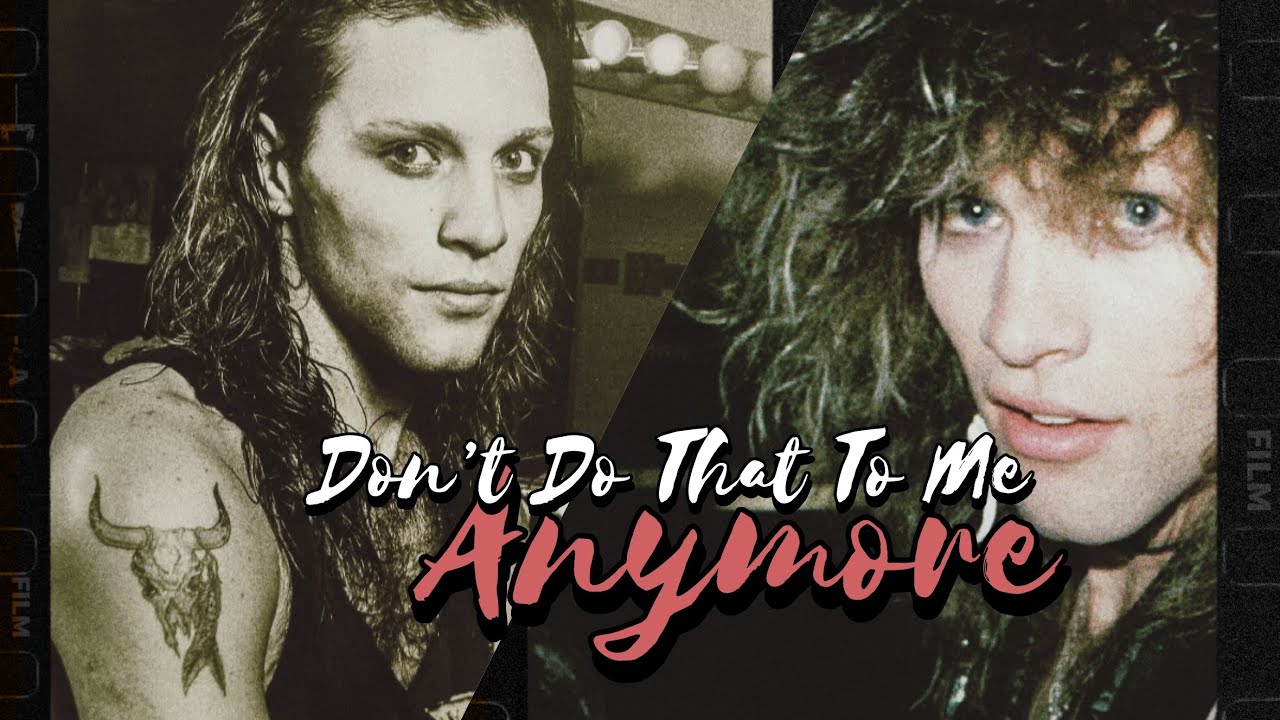
    When it comes to emotional ballads that resonate with the deepest corners of the heart, few can compare to the raw vulnerability of the song “Don’t Do That to Me Anymore.” This haunting melody has captivated listeners for years, but what if we told you there was more to the story than just lyrics and chords? Beneath the surface lies a shocking and heartbreaking reality, one that even the song’s biggest fans never fully understood.

    The song’s emotional power is undeniable, with its catchy beat coupled with lyrics that seem to speak directly to the heart of anyone who has ever been hurt by love. With every line, the artist pleads for an end to the torment, capturing the anguish of someone trapped in a toxic relationship. “I just can’t go on making love to the world alone,” they sing, their voice strained with frustration and sorrow. But the question that everyone wants to know is: who was the song really about, and what drove the artist to pour so much pain into this masterpiece?

    A Tragic Love Story Unfolded Behind the Scenes

    As it turns out, the song was inspired by a love story far darker and more complicated than listeners could ever have imagined. The artist, known for their unflinching honesty in their music, was actually going through a devastating breakup when they wrote the lyrics. The relationship had begun like any other — full of passion, chemistry, and the promise of forever. But as time wore on, things took a turn for the worse.

    The woman at the center of the relationship had once been a source of comfort and support, but over time, her actions began to change. Her manipulative behavior became more apparent as she toyed with the artist’s emotions, using their vulnerability against them. As the song’s lyrics suggest, the artist was emotionally torn, unable to break free from the cycle of love, pain, and betrayal. The phrase “don’t do that to me anymore” became an anthem of desperation, a cry for help in the face of overwhelming emotional exhaustion.

    Unraveling the Mystery: Who Was the Song Really About?

    For years, fans have speculated about the identity of the woman who inspired this heartbreaking song. Was it a past lover, an ex-wife, or someone else entirely? Rumors swirled about various high-profile relationships, but the truth is even more shocking than anyone could have imagined. The woman at the center of the story was, in fact, someone the artist had considered their soulmate at one point — a person who they believed they would spend their entire life with.

    What made the situation even more tragic was the fact that, despite everything, the artist never truly wanted to let go. The lyrics “I can count the times for you to make me a fool” suggest that, despite being hurt time and time again, the artist kept hoping that things would improve. But the emotional toll was simply too great to ignore any longer.

    The Hidden Struggles Behind the Music

    While fans were belting out the lyrics, unaware of the heartbreak behind them, the artist was quietly battling their own demons. The emotional distress from the toxic relationship took a severe toll on their mental health. The constant anxiety, sleepless nights, and feelings of worthlessness became unbearable. It wasn’t just the love that was breaking them down; it was the realization that they had lost themselves in the process.

    Behind the scenes, the artist struggled with depression, often finding solace only in their music. The lyrics became their form of therapy — a way to express what words alone could not convey. The line “I just can’t go on making love to the world alone” was a reflection of their inner turmoil. They had poured so much of themselves into the relationship that they had lost sight of who they were.

    The Emotional Fallout: A Lasting Impact

    The fallout from the breakup was catastrophic. The artist was left shattered, their trust in others completely broken. What once felt like a true connection now seemed like nothing more than a cruel game. Their career, which had once soared to unimaginable heights, began to falter. The constant media scrutiny and public interest in their personal life only added to the emotional burden.

    Despite the turmoil, the artist did what they had always done best: turned their pain into art. “Don’t Do That to Me Anymore” became not only a reflection of their personal heartache but also a rallying cry for anyone who had ever been in a similar situation. The song’s universal theme of emotional manipulation and the longing for freedom struck a chord with millions, making it one of the most poignant and relatable tracks of its time.

    The Shocking Aftermath: A Story of Redemption?

    As time passed, the artist slowly started to heal. They focused on their music, pouring their pain into their work and gradually finding peace. But the scars from the relationship remained. The emotional scars were deep, and while they found a way to move forward, they would never truly forget the hurt that came with that love.

    Recently, the artist reflected on the song in an interview, revealing just how deeply it had impacted them. They described the emotional release they felt after finally confronting the pain in their life, saying that writing the song was both a cathartic and therapeutic experience. But they also admitted that they had to face the harsh reality that their life would never be the same again.

    The final lines of the song, “Don’t do it to me anymore,” became not just a plea for their former lover, but a statement of defiance. It was their way of reclaiming their power and refusing to allow themselves to be manipulated any longer.

    Conclusion: The Legacy of a Heartbreaking Anthem

    “Don’t Do That to Me Anymore” is more than just a song; it is a testament to the artist’s resilience and their ability to transform their pain into something powerful. It remains one of the most heart-wrenching and relatable songs of all time, resonating with anyone who has ever faced the heartache of toxic love. The shocking truth behind its creation, however, proves that sometimes the most beautiful art comes from the deepest wounds.

    Fans of the artist continue to embrace the song, finding solace in the shared experience of love and loss. The song will forever remain a powerful reminder of the strength that can emerge from heartbreak — and the courage it takes to let go.

  • “Jon Bon Jovi’s Heartfelt Tribute to Late Mother: ‘A Force to Be Reckoned With’—The Emotional Goodbye That Left Fans Stunned”

    “Jon Bon Jovi’s Heartfelt Tribute to Late Mother: ‘A Force to Be Reckoned With’—The Emotional Goodbye That Left Fans Stunned”

    “Jon Bon Jovi’s Heartfelt Tribute to Late Mother: ‘A Force to Be Reckoned With’—The Emotional Goodbye That Left Fans Stunned”

    The Bon Jovi singer’s mom died on Tuesday (July 9) just days before her 84th birthday.

    Jon Bon Jovi and Carol Bongiovi attend the 3rd Annual Silver Clef Award Honors Bon Jovi in 1990.Ron Galella/Ron Galella Collection/Getty Images

    Jon Bon Jovi paid loving tribute to the Bongiovi family matriarch on Wednesday (July 10), a day after his mother, Carol Bongiovi, died at 83. The Bon Jovi front man’s mom died of undisclosed causes on Tuesday (July 9) at Monmouth Medical Center in Long Branch, N.J. just three days short of her 84th birthday.

    “Our mother was a force to be reckoned with, her spirit and can-do attitude shaped this family. She will be greatly missed,” Bon Jovi, 62, said in a statement from the family; Bon Jovi (born John Francis Bongiovi Jr.) has two younger brothers, Anthony and fellow musician Matthew Bongiovi. In addition to being a former Playboy playmate and florist, Carol was married to barber and fellow Marine veteran John Francis Bongiovi Sr. and operated her son’s fan club for many years.

    According to an obituary from the Holmdel Funeral Home, the family matriarch enlisted in the U.S. Marine Corps in 1959, where she met her future husband. The couple moved to Sayreville, N.J. after their hitch in the military, where they raised their family before moving to Holmdel, N.J.

    The woman affectionally referred to as “Mom Jovi” by the Garden State legends’ fans made a cameo, along with his dad, in the singer’s 2021 “Story of Love” video. In the visual, Jon strummed an acoustic guitar in front of a wall of family photos — including a giant black and white snap of his folks with their eldest son — as he sang about familial love. “Father love daughters like mothers love sons,” he sang. “They’ve been writing our story before there was one/ From the day you arrive/ ‘Til you walk, ‘Til you run/ There is nothing but pride, there is nothing but love/ They can offer advice that you don’t wanna hear/ Words that cut like a knife and still ring in your ear.”

    In an interview with the Big Issue in 2020, Bon Jovi spoke lovingly of the lessons he learned from his parents, especially their unwavering support after his admittedly “terrible” first talent show performance as a teen. “What I got from my parents was the ability to make the dream reality. They always instilled that confidence in their kids which, in retrospect, I realize was so incredibly valuable,” he told the mag at the time. “Because even if you truly weren’t any good at your craft, if you believed you were, you could work on it. As I got older I realized that was a great gift that I got from my folks. They truly believed in the John Kennedy mantra of going to the moon. ‘Yeah, of course you can go to the moon. Just go, Johnny.’ And there I went.”

    Carol Bongiovi was born Carol Sharkey in Erie, Pennsylvania on July, 12, 1940 and is survived by her husband of 63 years, their three sons and daughters-in-law as well as eight grandchildren.

  • The Hidden Struggles of Rock Legend Jon Bon Jovi: A Shocking Health Crisis That Could Change Everything

    The Hidden Struggles of Rock Legend Jon Bon Jovi: A Shocking Health Crisis That Could Change Everything

    The Hidden Struggles of Rock Legend Jon Bon Jovi: A Shocking Health Crisis That Could Change Everything

    Jon Bon Jovi, the iconic frontman of the legendary band Bon Jovi, is best known for his powerhouse voice and chart-topping hits. However, behind the scenes, the music mogul has been silently battling a heartbreaking health crisis that could shatter everything he’s worked so hard for. As the world watches, Bon Jovi’s legacy is at risk due to a shocking diagnosis that has left fans, doctors, and the artist himself in utter disbelief.

    The New Jersey native, born John Francis Bon Jovi Jr., grew up with big dreams of stardom, and for decades, he achieved that and more. Known for his raspy voice and energetic performances, Bon Jovi became a household name after his band’s breakthrough with hits like “Livin’ on a Prayer” and “Wanted Dead or Alive.” But what if we told you that, despite his career’s success, Jon Bon Jovi is now facing the toughest battle of his life?

    From Humble Beginnings to Rock Royalty

    Jon Bon Jovi’s rise to fame is a story of perseverance. Growing up in a modest New Jersey household with a barber father and a mother who worked as a secretary, Bon Jovi had his sights set on music from an early age. He honed his skills by performing at school talent shows and local music competitions, showing early signs of what would become a lifelong passion.

    Despite his early talent, Jon’s journey to stardom was anything but easy. In the early ’80s, record labels rejected his music, saying it wasn’t what they were looking for. Undeterred, Jon worked various odd jobs, including cleaning floors at a New York recording studio, all while believing his big break would eventually come. And it did—when his song “Runaway” unexpectedly caught the attention of a local DJ, and the rest, as they say, is history.

    The Breakthrough: Bon Jovi Becomes a Global Phenomenon

    In 1986, Bon Jovi’s sophomore album Slippery When Wet launched them into global stardom, with songs like “You Give Love a Bad Name” and “Livin’ on a Prayer” propelling them to the top of the charts. As the band’s popularity soared, so did the pressure. The demands of being on tour 24/7, performing in front of millions of screaming fans, took its toll—on both Bon Jovi and his bandmates. But no one felt it more than Jon himself.

    Throughout the late ’80s and early ’90s, Bon Jovi went on an extensive world tour, which eventually drained them both mentally and physically. Jon Bon Jovi, known for his relentless work ethic, felt the immense pressure to maintain the band’s success, and it took a severe emotional and physical toll. He admits to having hit rock bottom in 1991, contemplating suicide during a particularly difficult time on the road.

    “I was as low as I could imagine myself being,” Bon Jovi confessed years later. “I was in a state of crisis. It stripped me of everything I loved until I regained control.” But despite his dark thoughts, Jon pushed on, eventually overcoming this emotional turmoil, only to face a new battle ahead.

    The Rise of Vocal Atrophy: Jon’s Devastating Health Crisis

    After decades of performing, Jon Bon Jovi began to notice changes in his voice. His powerful, raspy tones—the very essence of his stardom—began to weaken. At first, he chalked it up to the rigors of touring, believing his vocal troubles were just part of aging. However, it soon became clear that something much more sinister was at play.

    In 2022, Jon’s voice began to show signs of severe deterioration. During a performance in Nashville, he realized his voice had changed drastically. After seeking feedback from his wife, Dorothea, and hearing the harsh criticism online from fans who noticed the difference, Jon was forced to confront the reality of his condition. A visit to doctors confirmed the worst: Jon had been diagnosed with vocal cord atrophy—a condition that weakens the muscles and tissues in the vocal folds, making it difficult for a singer to perform at their usual capacity.

    For Jon, whose identity has been so intricately tied to his voice, this diagnosis was nothing short of devastating. “My voice was my life’s work,” he said. “It was the tool that made me who I am. To lose that… it’s unimaginable.” His once-vibrant vocals had become strained, making it almost impossible for him to reach the high notes he was known for.

    The Battle to Reclaim His Voice

    Jon Bon Jovi, however, wasn’t ready to give up. Instead of retiring, he chose to fight back against his diagnosis. In June 2022, Jon underwent vocal cord medialization surgery, a delicate procedure aimed at restoring the functionality of his vocal folds. The road to recovery has been long and painful, but Jon has not given up. With the help of medical professionals and vocal coaches, he embarked on a grueling rehabilitation journey that would push him to his limits.

    The emotional strain of losing his voice, combined with years of exhaustion from the relentless touring, has left Jon questioning everything he once took for granted. “It’s a battle every day,” Jon confessed. “But I can’t imagine my life without music. It’s what I’ve done for 40 years. I owe it to myself and my fans to keep fighting.”

    The COVID-19 Setback

    If Jon’s health struggles weren’t enough, the COVID-19 pandemic added yet another blow to his already fragile situation. In October 2021, Jon tested positive for the virus just before a scheduled fan event in Miami, forcing him to cancel the performance. At the time, his symptoms were mild, but little did anyone know, COVID-19 would have lasting effects on his voice, exacerbating the vocal issues he had already been experiencing.

    As his voice deteriorated, fans began to speculate whether the virus had worsened his condition. Research has shown that COVID-19 can have long-term effects on the vocal cords, leading to inflammation and weakening of the voice. For a performer like Jon, this was a devastating blow.

    A Road to Redemption: Will Jon Bon Jovi’s Comeback Succeed?

    Despite these hardships, Jon remains determined to return to the stage. In 2024, he began performing again, cautiously testing the waters with a show in Nashville. Fans were eager to see their idol return to his roots, and the response was overwhelmingly supportive. Still, Jon knows that his voice may never be the same, but he is resolved to make the best of what he has left.

    Bon Jovi’s 40th anniversary in the music industry is marked by the release of their 16th studio album Forever, recorded after Jon’s surgery. The album showcases Jon’s resilience and his unwavering commitment to music, despite the toll his health has taken. As Bon Jovi continues to evolve, so too does Jon Bon Jovi’s personal journey—one of overcoming adversity, battling through unimaginable challenges, and staying true to his art.

    As fans rally behind Jon, there is hope that his story will inspire others who face their own battles. Jon Bon Jovi’s fight is far from over, but one thing is certain: his legacy will endure, no matter what challenges lie ahead. Are you ready to see Jon Bon Jovi back on stage? Only time will tell, but for now, fans can rest assured that the heart and soul of Bon Jovi will live on, no matter what.

  • “Travis Kelce Overwhelmed: Breaks Down as Niece Wyatt Chooses Taylor Swift Over Family

    “Travis Kelce Overwhelmed: Breaks Down as Niece Wyatt Chooses Taylor Swift Over Family

    “Travis Kelce Overwhelmed: Breaks Down as Niece Wyatt Chooses Taylor Swift Over Family—Heartfelt Scene Unfolds, NFL Star’s Emotional Turmoil Revealed. Is This the Start of a New Celebrity Bond? Discover the Touching Moment That Left Kelce in Tears and Fans Buzzing with Speculation.”

    On the “Gossip Grove” channel, we aim to create informative online content covering news and events in the celebrity world.

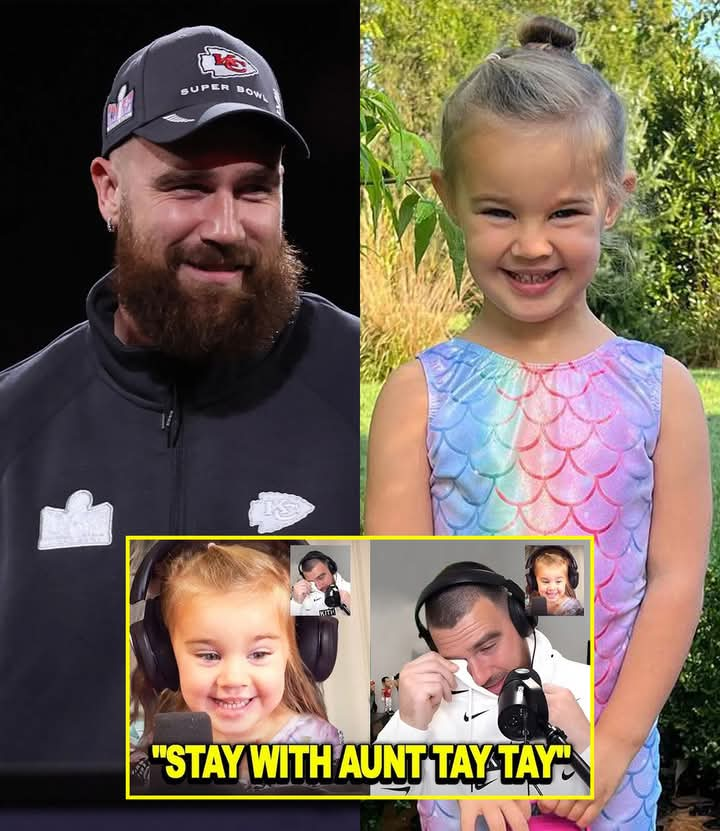
    Travis Kelce, the Kansas City Chiefs tight end, experienced an emotional moment on March 14, 2025, when his 5-year-old niece, Wyatt Kelce, expressed a desire to stay with Taylor Swift during a hospital visit.

    Wyatt, who had been battling a severe case of pneumonia, was cheered up by Travis, who brought along a Chiefs teddy bear and entertained her with silly faces. However, the visit took an unexpected turn when Wyatt, after giggling through Travis’s antics, turned serious and whispered, “I wanna stay with Aunt Taylor instead.” Travis, overwhelmed by her innocence and the bond she had forged with Swift, burst into tears. He reportedly laughed through the sobs, saying, “Kid, you’re breaking my heart—but I get it, Taylor’s cooler.”

    The moment, captured on a family member’s phone and leaked to social media, went viral, with fans praising Travis’s vulnerability and affection for his niece. Wyatt, who calls Taylor Swift “Auntie Tay,” has become quite close to the pop star, often spending time together during Swift’s Eras Tour breaks and even crafting friendship bracelets.

    In addition to this heartwarming incident, Taylor Swift has shown her affection for Wyatt by sending her a personalized birthday gift. Knowing Wyatt’s love for her song “The Man,” Swift sent a signed copy of the lyrics along with a handwritten note that read, “Happy Birthday, Wyatt! Keep being strong and fearless. Love, Taylor.” This thoughtful gesture left Wyatt overjoyed and created a cherished memory for her and the Kelce family.

    Travis Kelce has also shared that Wyatt’s favorite Taylor Swift song is “The Man,” and he has expressed his excitement about playing it at the next Kelce Jam music festival. He mentioned that “there’s so many” of Swift’s songs to choose from, but “The Man” is Wyatt’s favorite. As for Travis’s favorite, he confirmed that “So High School” has his heart, a track from Swift’s latest studio album, *The Tortured Poets Department*.

    This series of events highlights the deep bond between Travis Kelce, his niece Wyatt, and Taylor Swift, showcasing moments of tenderness and affection within the Kelce family.